How to Choose the Best Food Safety Kits for Your Kitchen?
Choosing the right Food Safety Kits is essential for a safe kitchen. A well-equipped kitchen prevents foodborne illnesses and ensures the health of your family. Many kits are available, but not all are suitable for every home.
Consider what your kitchen needs. Some families may require items for proper storage, while others need equipment for safe cooking. Think about the size of your kitchen and frequency of cooking. Do you often prepare raw meats? This means you might need more robust sanitizing tools.
Additionally, reflect on your cooking habits. Do you have a tendency to overlook expiration dates? A food safety kit that includes reminders could be beneficial. Evaluate the effectiveness of each kit. Are the tools user-friendly? Avoid products that confuse rather than help you. Remember, the goal is to simplify food safety, not complicate it.
Understanding Food Safety Kits and Their Importance in the Kitchen
Food safety kits are essential tools in any kitchen. They help maintain hygiene and ensure food is safe to consume. These kits usually include thermometers, gloves, and cleaning supplies. Each tool plays a vital role in preventing foodborne illnesses. For instance, a reliable food thermometer helps check that meats are cooked to safe temperatures. This prevents the risk of harmful bacteria.
Understanding the components of a food safety kit is crucial. Gloves protect from contamination when handling raw ingredients. Yet, many overlook their importance. Cleaning supplies, such as sanitizers, also play a role. They ensure surfaces remain bacteria-free. It's common for people to underestimate how dirty kitchen equipment can get. A quick wipe might not always suffice; deep cleaning is often necessary.
Selecting the right kit depends on your cooking habits. Consider how often you cook meat or handle dairy products. A well-rounded kit can seem overwhelming or inadequate at times. Reflecting on your kitchen practices can help focus your needs. It’s important to revisit and update your food safety measures regularly. What works today may not be sufficient tomorrow.
Key Components of an Effective Food Safety Kit
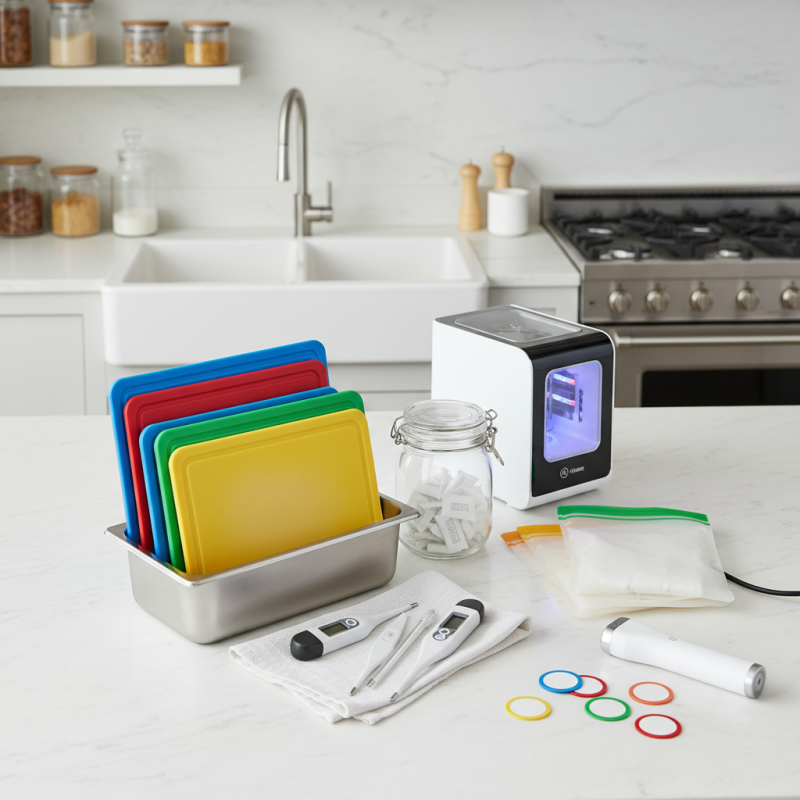
When selecting an effective food safety kit for your kitchen, it is crucial to consider its key components. A reliable kit should include a food thermometer. This ensures that meats and other perishables are cooked to the right temperature. An instant-read thermometer is especially handy. It provides accurate readings in seconds.
Another essential component is a set of color-coded cutting boards. These help prevent cross-contamination. Assign specific colors for different food types, like vegetables, meat, and seafood. This simple practice makes food preparation safer. Don't forget a pack of food storage bags. Keeping foods sealed properly can reduce spoilage and contamination.
**Tips:** Regularly check your food safety kit. Replace expired items promptly. Training yourself and your family about safe food handling is just as vital. Education can help in avoiding potential foodborne illnesses. Mistakes happen, so assess your kitchen practices often. Modify your approach as needed.
Key Components of an Effective Food Safety Kit
Criteria for Selecting the Best Food Safety Kits
Choosing the right food safety kits for your kitchen is essential for maintaining a safe cooking environment. When selecting a kit, consider the components. A good kit should include items like thermometers, food testers, and cleaning supplies. Each of these tools plays a crucial role in preventing foodborne illness.
Tips: Look for kits that offer a variety of products. This variety can help you tackle potential hazards. Don't forget to check expiration dates on any included supplies. It's easy to overlook this detail. An expired thermometer is not effective.
Another important criterion is ease of use. Kits should come with clear instructions. Complicated tools can lead to mistakes. Also, consider storage space. Some kits are bulky, making them hard to store in small kitchens.
Tips: Choose a size that fits your kitchen layout. You want your kit accessible but not in the way. Additionally, think about your cooking habits. If you frequently prepare raw meats, ensure your kit has tools tailored for meat safety. Every kitchen is unique. Your kit should reflect your needs.
Comparison of Popular Food Safety Kits on the Market
Choosing the right food safety kit can be challenging. Many options exist, each with its unique features. When evaluating these kits, consider the essential tools included. Most kits offer thermometers, gloves, and sanitizers. Some even include color-coded cutting boards to prevent cross-contamination.
Examining popular food safety kits reveals variations in quality and comprehensiveness. Some kits may lack basic items, making them less effective. Others are packed with extra tools, which can overwhelm a beginner. Look for kits that prioritize essential items first. Be wary of those packed with gimmicks; they might not serve your needs.
Reflect on your cooking habits. If you prepare raw meat frequently, invest in a complete kit with thermometers and safe storage options. For occasional use, a more basic kit may suffice. Consider the importance of food safety in your kitchen. The right kit can help reduce foodborne illnesses. However, remember that no kit can replace good practices and common sense in food handling.
Tips for Maintaining and Using Your Food Safety Kit Properly
Maintaining and using your food safety kit properly can significantly impact your kitchen practices. When you open your kit, ensure all tools are clean and usable. Regularly check the expiration dates on any test strips or disinfectants. If items look worn or soiled, consider replacing them. A clean kit encourages you to use it more often.
Make a habit of storing your food safety kit in an accessible location. Place it near your cooking space; this will remind you to check food safety regularly. Implementing regular checks can help catch any potential contamination before it becomes a problem. Review your practices frequently; if something feels off, reconsider how you’re using your kit.
Using food thermometers correctly is essential. Always calibrate them before use for accurate readings. Probing different areas of meats is wise to ensure even cooking. It's easy to overlook safe food handling, especially in a busy kitchen. Relying solely on instincts can lead to mistakes. Stay engaged, and keep learning about food safety for the best results.