How to Choose the Right Oxygen Cylinder Cart for Your Needs?
When it comes to selecting the right oxygen cylinder cart, several factors come into play. An oxygen cylinder cart is essential for safely transporting and storing oxygen cylinders. According to industry reports, improper handling of oxygen cylinders can lead to accidents, with approximately 1,500 related incidents reported annually in the healthcare sector.
Choosing the right cart can impact safety and efficiency. For instance, consider factors like weight capacity, wheel design, and material durability. A cart that can carry a standard cylinder weighing around 150 pounds is crucial in many healthcare settings. Yet, many facilities make choices based on looks instead of function, which is a mistake that can be costly.
Furthermore, the environment where the cart will be used matters. For indoor use, a smaller, more agile cart may suffice, while an outdoor setting may require a more robust design. Neglecting these details can lead to unforeseen challenges. Thus, thoughtful selection is necessary for promoting safety and operational success.
Understanding Different Types of Oxygen Cylinder Carts Available in the Market
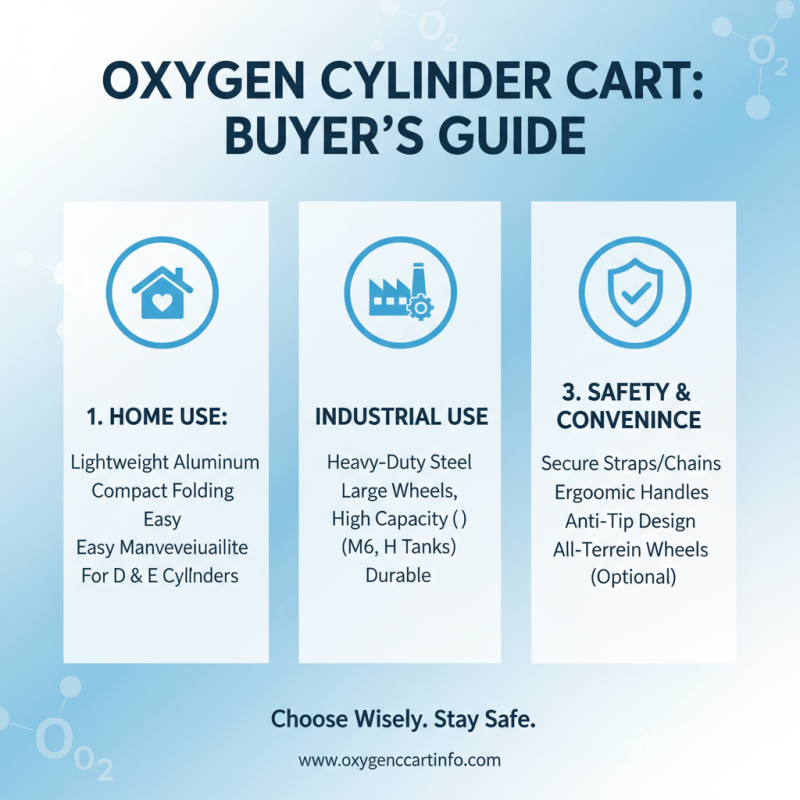
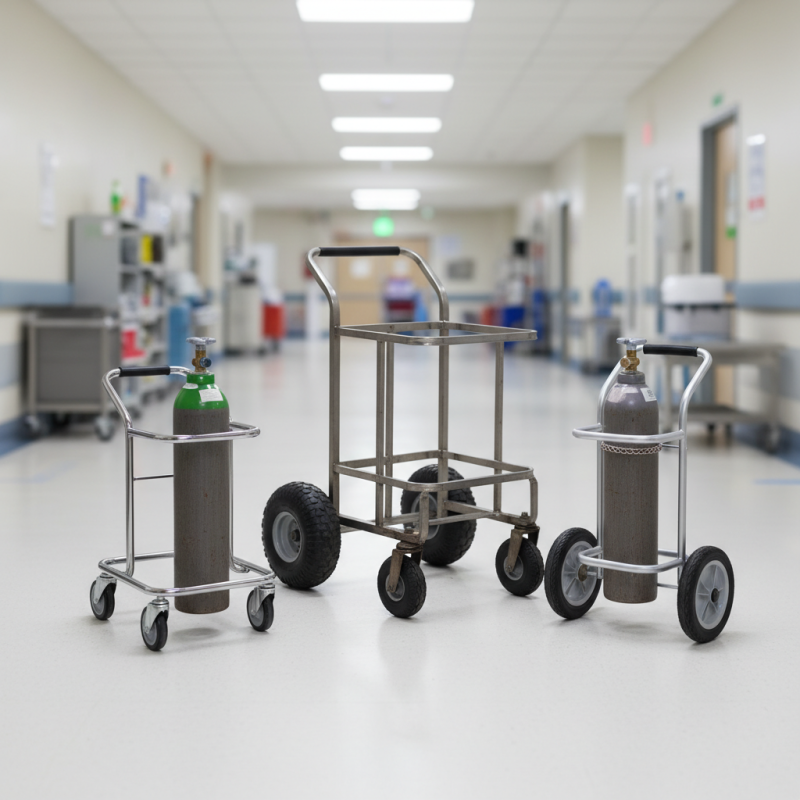
Choosing the right oxygen cylinder cart is essential for safety and convenience. There are various types available, each designed for specific needs. You can find lightweight models perfect for home use. Others are more robust, suited for industrial settings.
When selecting a cart, consider the cylinder size it can accommodate. Small cylinders require compact carts, while larger ones need sturdier designs. Don't forget about maneuverability too. Some carts have wheels designed for rough terrain, while others are more suited for flat surfaces.
Tips: Always check the weight capacity. A cart that can’t support your cylinder might cause accidents. Also, ensure the cart's height fits your needs. If it’s too low or too high, it’s not practical. Finally, think about storage. Where will you keep the cart when not in use? A cart that’s easy to store will save you space.
Key Features to Consider When Choosing an Oxygen Cylinder Cart
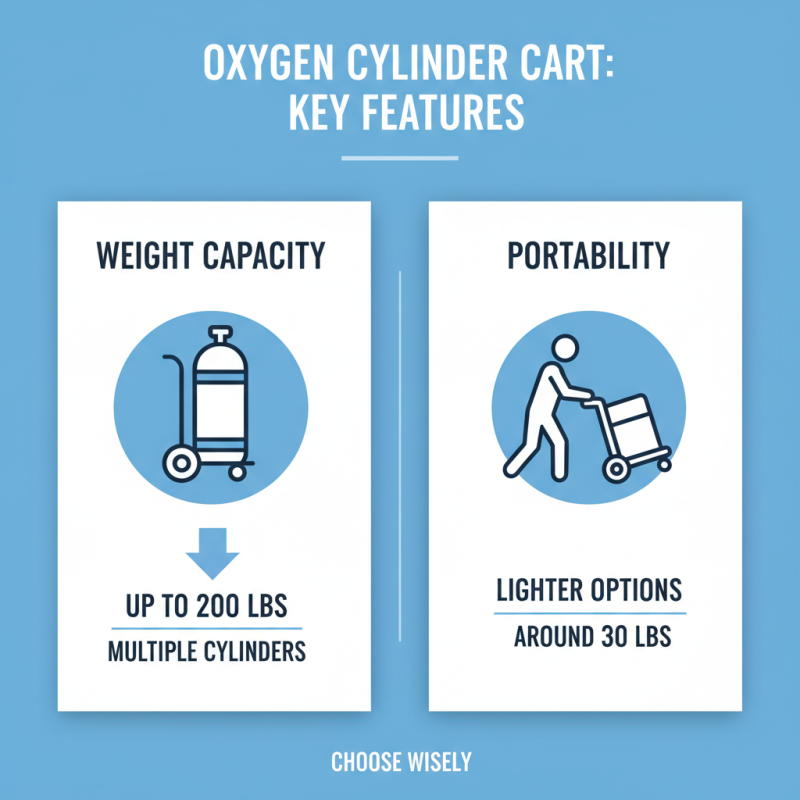
Choosing the right oxygen cylinder cart involves understanding key features. Weight capacity is crucial. Most carts support up to 200 pounds. This weight is often necessary for carrying multiple cylinders. However, some users might need lighter options. A portable cart may weigh only 30 pounds.
Stability is also a vital factor. Carts should have a broad base to prevent tipping. Research shows that over 20% of accidents occur due to improper transportation of oxygen tanks. Wheels matter too. Look for durable wheels that can handle various terrains. This ensures smooth movement, especially in crowded environments.
Durability is another aspect to consider. Steel structures are common, providing strength. However, some users prefer lighter materials for easier handling. A recent report noted that users reported a 15% increase in satisfaction with multi-use carts. These carts feature added compartments for accessories. Ultimately, assessing your specific needs can lead to better choices.
Assessing Your Mobility Needs for an Oxygen Cylinder Cart
Choosing the right oxygen cylinder cart begins with a clear understanding of your mobility needs. Consider how often you move around. Will you be using the cart at home or while traveling? Think about the surfaces you will navigate—smooth floors or uneven terrain can greatly impact your choice. The ability to easily maneuver the cart is crucial. A cart that is too heavy or cumbersome may limit your independence.
Reflect on the size and capacity of the oxygen cylinders you use. Larger tanks require sturdier carts, which can be more challenging to handle. It might be tempting to opt for a more compact cart, but this could affect your ability to transport necessary equipment. Check if the cart accommodates accessories like oxygen flow regulators or masks. Sometimes, features might be lacking, and it can lead to frustration later on.
Lastly, think about your personal preferences and comfort. Some carts offer more support and stability than others. If you find yourself struggling with a specific model, it might be time to reevaluate your choice. Prioritize ease of use and accessibility. Making a thoughtful decision now can significantly enhance your mobility and quality of life.
How to Choose the Right Oxygen Cylinder Cart for Your Needs?
| Feature |
Description |
Mobility Needs |
Suitability |
| Weight Capacity |
Up to 200 lbs. |
Moderate to High |
Ideal for active users |
| Wheel Type |
Pneumatic or Solid |
Low to Moderate |
Good for indoor/outdoor use |
| Cart Size |
Compact or Full-sized |
Limited to Expanded |
Best for smaller spaces |
| Material |
Aluminum or Steel Frame |
Durability High |
Safe for frequent use |
| Adjustability |
Fixed or Adjustable |
Various Levels |
Customizable for user needs |
Evaluating Safety Standards and Compliance for Oxygen Cylinder Carts
When selecting an oxygen cylinder cart, safety should be your primary concern. Carts must comply with relevant safety standards. Look for features like secure straps or clamps that hold the cylinder firmly. These prevent tipping or rolling, which could lead to accidents or leaks. The material of the cart matters too; it should be made from sturdy materials that can withstand heavy loads.
Consider weight and handle design for easy maneuverability. A lightweight cart can be essential in emergency situations. Evaluate the braking system as well; it should effectively lock the cart in place when not in motion. Remember, an unstable cart can lead to serious safety hazards.
Regular reviews of your cart are necessary to ensure ongoing compliance with safety regulations. Signs of wear or damage should not be ignored. Ensure that the cart remains in excellent condition. It’s worth reflecting on how your selection process could improve. Are you prioritizing safety adequately? What modifications can enhance usability?
Budgeting: Finding the Right Balance Between Quality and Cost for Your Cart
When selecting an oxygen cylinder cart, budgeting plays a crucial role. The right balance between quality and cost is essential. According to industry reports, the average cost of oxygen cylinder carts can range significantly. Basic models may start at around $150, while high-end options could exceed $600. This wide range reflects varying materials and construction quality.
Purchasing a cheaper cart may seem enticing at first. However, it might lack durability and safety features. Reports suggest that over 30% of lower-priced carts fail to meet safety standards. In contrast, investing in a durable model provides peace of mind, especially in critical situations.
In addition, remember to assess your specific needs. Will the cart be used frequently or only occasionally? If usage is high, it’s wise to allocate more funds. This can ensure long-term reliability. It's important to question how often maintenance will be required and how easy replacements will be. Balancing quality and cost requires careful thought, reflecting on both immediate and future needs.