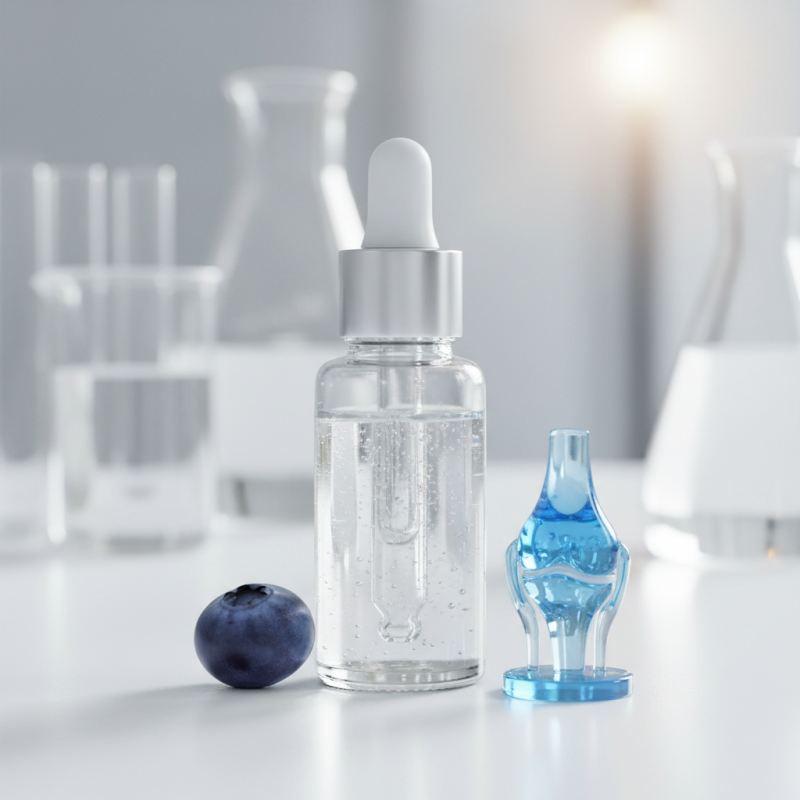
What is Pharma Grade Hyaluronic Acid and Its Benefits?
Pharma Grade Hyaluronic Acid is a high-quality form of hyaluronic acid. It is widely used in the pharmaceutical and cosmetic industries. This type of hyaluronic acid is known for its purity and effectiveness.
The benefits of Pharma Grade Hyaluronic Acid are significant. It helps in hydrating the skin, making it look plump and youthful. It also supports joint health, reducing pain and improving mobility. However, some people may experience varying results. Understanding these differences is essential.
While Pharma Grade Hyaluronic Acid shows promise, further research is needed. Not everyone achieves the desired outcomes. It’s crucial to recognize that individual experiences vary greatly. Choosing the right product is vital for maximizing its benefits.
What is Pharma Grade Hyaluronic Acid?
Pharma grade hyaluronic acid is a high-purity form of this naturally occurring substance. It is widely used in various medical and cosmetic applications. This grade of hyaluronic acid undergoes rigorous testing to meet strict safety and efficacy standards. The purity levels can exceed 99%, making it suitable for injectables and dermal fillers.
According to industry reports, the global market for hyaluronic acid is projected to reach $10 billion by 2025, highlighting its importance. Pharma grade variants are essential for applications in joint therapy and skin rejuvenation. They provide advanced hydration and improve tissue regeneration, particularly in clinical settings.
However, the sourcing and production of pharma grade hyaluronic acid raise concerns. Ethical sourcing and environmental impact must be considered. Additionally, the regulatory landscape is complex, complicating access to some markets. As the market grows, a more transparent approach could enhance trust and safety for consumers.
The Production Process of Pharma Grade Hyaluronic Acid
The production process of pharma grade hyaluronic acid is intricate. This substance is widely used in pharmaceuticals and cosmetics due to its unique properties. Hyaluronic acid can retain over 1,000 times its weight in water. This makes it invaluable for hydration and tissue repair.
Producing pharma grade hyaluronic acid requires stringent quality controls. The fermentation process often involves bacterial strains like Streptococcus zooepidemicus. Studies show that optimizing environmental conditions can significantly enhance yield and purity. Specifically, a temperature around 30 to 37 degrees Celsius is often ideal. Maintaining appropriate pH levels is also crucial. These factors help ensure the final product meets industry standards.
Quality is paramount in this industry. A report from the International Journal of Cosmetic Science emphasizes that impurities can affect the efficacy of hyaluronic acid. Water-soluble contaminants must be minimized. Each batch undergoes rigorous testing. This includes checks for molecular weight, viscosity, and the presence of heavy metals. Companies often face challenges in achieving this consistency, reflecting the complexities behind producing high-quality pharma grade hyaluronic acid.
Key Differences Between Pharma Grade and Cosmetic Grade Hyaluronic Acid
Pharma grade hyaluronic acid is a high-purity form used in medical applications. It often undergoes rigorous testing and is refined to meet strict safety standards. In contrast, cosmetic grade hyaluronic acid has lower purity levels. It's typically used in skincare products but may contain impurities. According to industry reports, the pharmaceutical form can have molecular weights over 1 million daltons, driving its effectiveness in treatments like osteoarthritis.
Key differences lie in the intended use and production process. Pharma grade hyaluronic acid is manufactured in sterile environments, ensuring higher safety for medical purposes. Cosmetic grade may not adhere to the same rigorous standards. With increasing consumer awareness, public demand for pharma grade products is on the rise. Reports indicate a projected annual growth rate of 8% for the industry, reflecting a shift towards quality and transparency.
Tips: When considering hyaluronic acid for your needs, check product specifications carefully. Research the sourcing of the ingredient. Understanding the difference between grades can help you make better choices for health and skincare. As consumers become savvier, brands may need to reflect on their ingredients and transparency levels.
Health and Cosmetic Benefits of Pharma Grade Hyaluronic Acid
Pharma grade hyaluronic acid is highly purified. It is known for its effectiveness in health and cosmetic applications. This substance can hold a large amount of water, making it perfect for hydration. In skincare, it draws moisture, leaving the skin plump and youthful. Many use it to improve skin texture and elasticity.
In health, pharma grade hyaluronic acid aids in joint pain relief. It can enhance mobility by lubricating joints. This is beneficial for active individuals, but not everyone experiences immediate results. Some users find the effects vary based on individual health conditions. Additionally, while it is often touted for skin rejuvenation, it may not work for everyone.
For cosmetic professionals, it is a vital ingredient in dermal fillers. It provides volume and reduces wrinkles. However, the procedure might come with side effects, like swelling or bruising. The balance between beauty and discomfort is something many consider. In conclusion, pharma grade hyaluronic acid offers many benefits, though personal responses can differ.
Applications of Pharma Grade Hyaluronic Acid in Medicine and Skincare
Pharma Grade Hyaluronic Acid has gained attention in both medicine and skincare. Its purity and efficacy are essential. In skincare, it acts as a powerful moisturizer. Studies show it can retain water up to 1,000 times its weight. This makes it ideal for hydrating dry skin.
In medicine, Pharma Grade Hyaluronic Acid is used in injections. The World Health Organization recognizes it for various therapeutic benefits. For instance, it is essential in joint health and pain management. Reports indicate that patients experience relief in osteoarthritis symptoms. It works as a cushion for joints and enhances mobility.
Yet, challenges exist. Not all products labeled as hyaluronic acid are of the same grade. Consumers must be cautious. Variations in molecular weight can affect absorption. Some formulations may not deliver the promised results. Thus, the quest for effective, high-quality products continues.
What is Pharma Grade Hyaluronic Acid and Its Benefits? - Applications of Pharma Grade Hyaluronic Acid in Medicine and Skincare
| Application Area | Benefit | Dosage/Form | Mode of Administration |
| Dermatology | Hydration and skin elasticity | Topical gel or serum | Applied directly to skin |
| Orthopedics | Joint lubrication and pain relief | Injectable solution | Injected into joints |
| Ophthalmology | Moisturizing and protecting the eye surface | Eye drops or gels | Instilled in the eye |
| Aesthetics | Wrinkle reduction and facial volume | Injectable fillers | Injected under the skin |