
Top 10 Hospital Crash Cart Types for Global Buyers
Choosing a crash cart hospital model is not simply a matter of counting drawers. Global buyers must connect cart design with emergency workflow, clinical equipment, storage space, and local procurement requirements. This guide introduces ten common crash cart types, from compact pediatric units to full-size resuscitation stations. It considers construction, mobility, security, ergonomics, and maintenance.
Small details matter. A sealed medication compartment, smooth fifth-wheel steering, and a visible defibrillator shelf can affect response time. So can drawer labels, oxygen-cylinder brackets, brake quality, and wipe-clean surfaces. Our approach is practical: compare specifications with daily use, not marketing language alone.
Experienced purchasers should request load ratings, wheel dimensions, replacement-part availability, warranty terms, and service documentation. They should also verify compatibility with monitors, airway kits, emergency medicines, and regional electrical systems. Standards and certification requirements vary by market, so supplier claims require careful review. A product may look robust in a brochure yet feel unstable on a crowded ward. That happens.
The ten categories in this article are useful starting points, not universal rules. Hospital size, patient population, transport routes, and resuscitation protocols can change the right choice. Even experienced teams may overlook cleaning access or after-sales support. This comparison therefore balances clinical practicality with procurement risk. Readers can use it to ask better questions, shortlist credible manufacturers, and select a cart that remains ready when seconds matter.
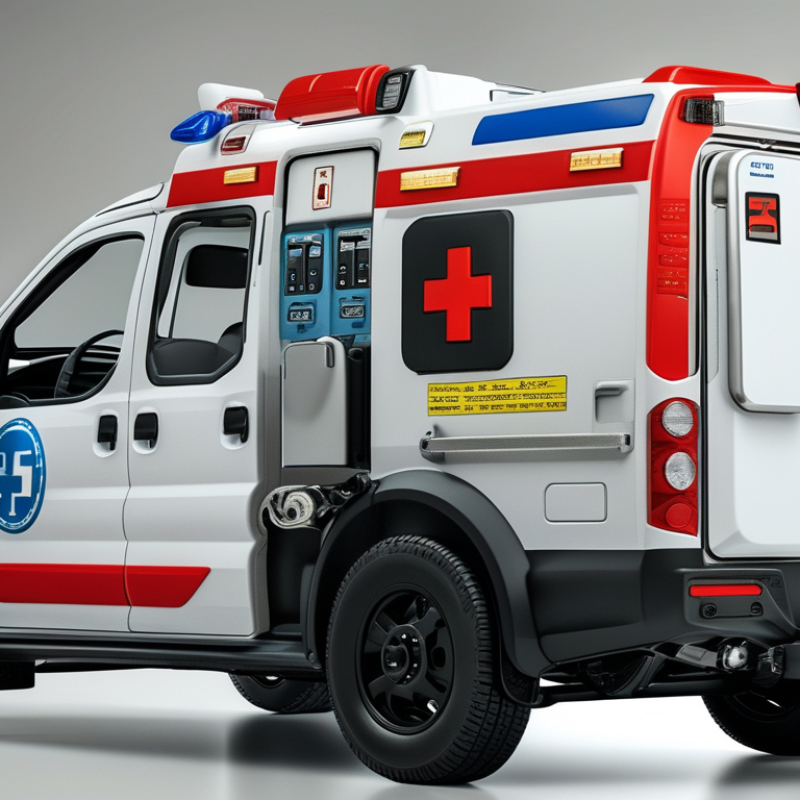
Hospital Crash Carts: Purpose, Core Features, and Global Classification
Hospital crash carts support rapid care when seconds matter. Their purpose is simple: keep essential emergency supplies organized, visible, and ready for immediate use. Core features usually include lockable drawers, sealed medication compartments, smooth casters, oxygen-cylinder holders, power outlets, and a sturdy work surface. Clear labels reduce searching during cardiac arrest or respiratory failure.
Global buyers often classify carts by function and care environment. Common types include adult resuscitation carts, pediatric carts, airway carts, medication carts, anesthesia carts, isolation carts, neonatal carts, procedure carts, mobile emergency carts, and compact clinic carts. This classification helps hospitals match drawer capacity, equipment height, infection-control needs, and mobility requirements. A pediatric cart, for example, needs weight-based dosing tools and smaller airway supplies. A mobile cart may need stronger wheels for uneven corridors.
Tips: Check drawer dimensions against local equipment sizes before purchasing. Confirm oxygen-holder compatibility and electrical safety requirements. Ask for material specifications, load testing, cleaning guidance, and maintenance records. Inspect samples with nurses and biomedical technicians, not only purchasing staff. A cart can look efficient yet fail during a crowded emergency. That possibility deserves attention. Standard layouts improve familiarity, but local protocols may require different contents. Buyers should document these differences and review them after real clinical drills. Supplier claims should be checked against testing evidence and hospital experience.
| Rank | Crash Cart Type | Primary Purpose | Core Features | Typical Contents | Common Healthcare Setting | Global Classification |
|---|---|---|---|---|---|---|
| 1 | Adult Emergency Resuscitation Cart | Provides immediate access to equipment and medicines for adult cardiopulmonary arrest and other life-threatening emergencies. | Standardized drawer layout Cardiac-board support Tamper-evident seal Large swivel casters | Defibrillator or monitor, adult airway supplies, bag-valve mask, oxygen accessories, IV supplies, emergency medicines, gloves, and syringes. | Emergency departments, intensive care units, medical-surgical wards, operating areas, and outpatient facilities. | General emergency cart |
| 2 | Pediatric Resuscitation Cart | Supports resuscitation of infants and children, where equipment and medication doses must match patient size and weight. | Weight-based dosing aids Color-coded supplies Multiple airway sizes Length-based reference tape | Pediatric and infant bag-valve masks, airway devices, intraosseous access supplies, smaller blood-pressure cuffs, pediatric electrodes, and weight-based medication references. | Pediatric units, emergency departments, children’s hospitals, ambulances, and community clinics. | Specialty emergency cart |
| 3 | Neonatal Resuscitation Cart | Provides equipment for stabilization and resuscitation immediately after birth, including respiratory support and thermal protection. | Pre-warmed workspace Newborn-sized supplies Oxygen and air access Clear visual organization | Radiant warmer or warming accessories, neonatal bag-mask devices, suction equipment, umbilical catheter supplies, newborn-sized airway tools, towels, and monitoring accessories. | Delivery rooms, labor and delivery units, neonatal intensive care units, and maternity operating rooms. | Perinatal emergency cart |
| 4 | Airway Management Cart | Centralizes equipment for difficult-airway management, intubation, ventilation, and emergency oxygenation. | Flexible compartment layout Equipment visibility Secure mounting Power and oxygen access | Laryngoscopes, video-laryngoscopy accessories, endotracheal tubes, supraglottic airways, stylets, bougies, suction catheters, capnography accessories, and airway exchange tools. | Operating rooms, intensive care units, emergency departments, anesthesia areas, and procedure suites. | Procedure-specific cart |
| 5 | Anesthesia Cart | Stores and transports anesthesia drugs, airway devices, monitoring accessories, and supplies used during anesthetic care. | Lockable drawers Medication security Waste container Work surface | Anesthetic medicines, syringes, needles, airway devices, breathing-circuit accessories, IV supplies, labels, and patient-monitoring items. | Operating rooms, day-surgery centers, obstetric theaters, endoscopy units, and procedural departments. | Anesthesia workstation cart |
| 6 | Medication and Treatment Cart | Enables organized delivery of routine medicines and basic treatment supplies to patients across a care unit. | Lockable medication drawers Modular bins Medication tray Cleaning-friendly surfaces | Unit-dose medicines, oral and injectable medication supplies, labels, alcohol swabs, gloves, dressing materials, sharps container, and documentation aids. | Medical-surgical wards, long-term care facilities, rehabilitation centers, and outpatient clinics. | Medication distribution cart |
| 7 | Defibrillator and Cardiac Monitoring Cart | Combines rapid cardiac rhythm assessment, defibrillation, synchronized cardioversion, and temporary pacing capability when available. | Defibrillator shelf Cable management Charging access ECG storage | Defibrillator-monitor, adult and pediatric pads or paddles, ECG electrodes, pacing accessories, conductive gel where applicable, and resuscitation supplies. | Emergency departments, cardiac units, intensive care units, ambulances, and diagnostic procedure areas. | Cardiac emergency cart |
| 8 | Isolation and Infection-Control Cart | Supports safe preparation for contact, droplet, or airborne precautions by keeping protective and cleaning supplies near the patient area. | Covered or enclosed storage Disinfectable surfaces PPE dispensers Waste segregation | Gloves, gowns, masks, respirators where indicated, eye protection, hand-hygiene products, disposable barriers, disinfectant wipes, and designated waste bags. | Isolation rooms, infectious-disease units, emergency departments, clinics, and outbreak-response areas. | Infection-control support cart |
| 9 | Procedure and Dressing Cart | Provides sterile or clean supplies for wound care, line care, minor procedures, and bedside interventions. | Removable trays Sterile-pack storage Waste and sharps options Height-adjustable work area | Dressings, gauze, sterile packs, forceps, scissors, skin antiseptic, syringes, local-care supplies, gloves, and sharps container. | Wards, treatment rooms, outpatient clinics, dialysis units, emergency departments, and home-care services. | Clinical procedure cart |
| 10 | Mobile Point-of-Care Diagnostic Cart | Moves selected diagnostic devices and consumables to the bedside to support timely assessment and monitoring. | Device mounting Rechargeable power Cable organization Lockable storage | Portable vital-sign monitor, pulse oximeter, blood-glucose meter, thermometry equipment, ECG accessories, printer or scanner, and disposable sensors. | Hospital wards, emergency departments, intensive care units, clinics, mobile medical teams, and field hospitals. | Diagnostic support cart |
Related Posts
-
7 Essential Tips for Choosing the Right Medicine Cart?
-
How to Choose the Best Mobile Medical Cart: 5 Key Features for Enhanced Patient Care
-
Explore the Unique Features and Applications of the Best Isolation Cart for Global Buyers
-
Top Strategies for Choosing the Best Medical Trolley Cart for Your Facility
-
Finding the Right Oxygen Tank Cart Manufacturer A Complete Guide to Quality and Comparison
-
Transforming Healthcare Delivery: The Rise of Medical Laptop Carts in Patient Care